
Demba Ba never fit the mold of a polished academy product. He grew up in a crowded apartment in Paris, juggling odd jobs and semi-pro football until a late growth spurt and sheer stubbornness earned him a trial at Rouen. Even then, coaches doubted his first touch. What they missed was his instinct—a predator's sense of where the ball would drop. That instinct carried him from the French lower leagues to the Premier League, where he scored 43 goals in 99 starts for Newcastle United and Chelsea combined. Not bad for a player once told he was too raw for the top flight.His breakout came at Newcastle in 2011. Alan Pardew deployed him as a lone striker。and Ba responded with 16 goals before Christmas. The surprising part wasn't the volume—it was the variety. Left foot, right foot, headers from impossible angles. I remember a strike against Manchester United where he chested down a long ball, spun past Rio Ferdinand, and volleyed low from 18 yards. No backlift, no hesitation. That goal summed up Demba Ba: unorthodox, efficient, utterly fearless. A knee injury slowed him that season, but Chelsea still paid £7 million for him in January 2013.At Chelsea, Ba became a cult hero for one moment: the first-half goal against Liverpool in April 2014 that effectively handed Manchester City the title. Sliding in at the near post after Steven Gerrard's slip, he didn't celebrate wildly—just a cold stare. That was his style. No theatrics. Ba later admitted he knew the significance instantly. “I saw the space and went” he told reporters. “No time to think” Such clarity defined his career. He scored 14 goals in 51 appearances for Chelsea。
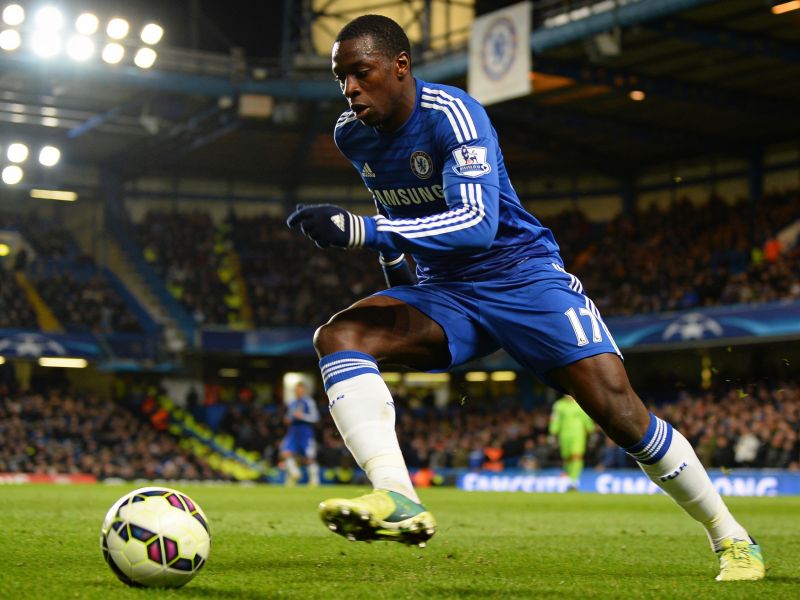
mostly as a substitute, yet never complained publicly about playing time. Professional to the bone.Beyond England, Demba Ba carved a reputation as a globetrotter with a lethal left foot. Besiktas fans still sing his name after he netted 27 goals in 2014-15. Shanghai Shenhua paid huge wages, and he delivered—18 goals in 29 matches. Then came Istanbul Basaksehir, where at 34 he helped them win the Turkish Super Lig. A horrific leg break in 2019 against Besiktas nearly ended his career, but Ba returned within eight months. That resilience tracks back to his early days。sleeping on friends' couches while chasing a dream. He never forgot the grind.Now 38, Demba Ba runs a thriving business empire—a restaurant chain。a fashion label, and real estate investments in Senegal and France. He also funds a youth academy in Dakar, quietly, without press releases. “I give back because I remember being hungry” he once said. His legacy isn't trophies or highlight reels. It's proof that a player with an awkward gait, a late start, and a suspect knee can still terrorize defenses through intelligence and will. Scouts still underrate strikers like him. Demba Ba remains the antidote to that bias—a reminder that hunger beats polish every time.