
he smell of pine resin and hot metal hangs in the air of the workshop. Dieter Smitz, third-generation blacksmith, doesn't use a power hammer—his grandfather's anvil, worn smooth in the center。still takes every strike. I watched him shape a fire poker last spring. Each blow landed with a rhythm that felt almost musical. That's the thing about Smitz: it's not a brand you find in glossy catalogs. It's a surname attached to a workshop in Triberg, and a stubborn insistence on doing things the slow way. In an era of drop-shipped home goods, that matters more than you'd think.The Smitz family has been forging iron since 1923. Walk into their showroom and you'll see it—no two cabinet handles are identical. A slight hammer mark on a door hinge, a hand-riveted joint on a fireplace grate. Dieter's daughter, Lena, now runs the business side, but she still spends Saturdays at the forge. "People ask why we don't outsource。" she told me, wiping soot from her cheek. "Because then it wouldn't be Smitz." That sentence stuck with me. It's the kind of answer you can't fake, and it explains why their waiting list for custom stair railings stretches to fourteen months. Loyalty like that isn't bought;
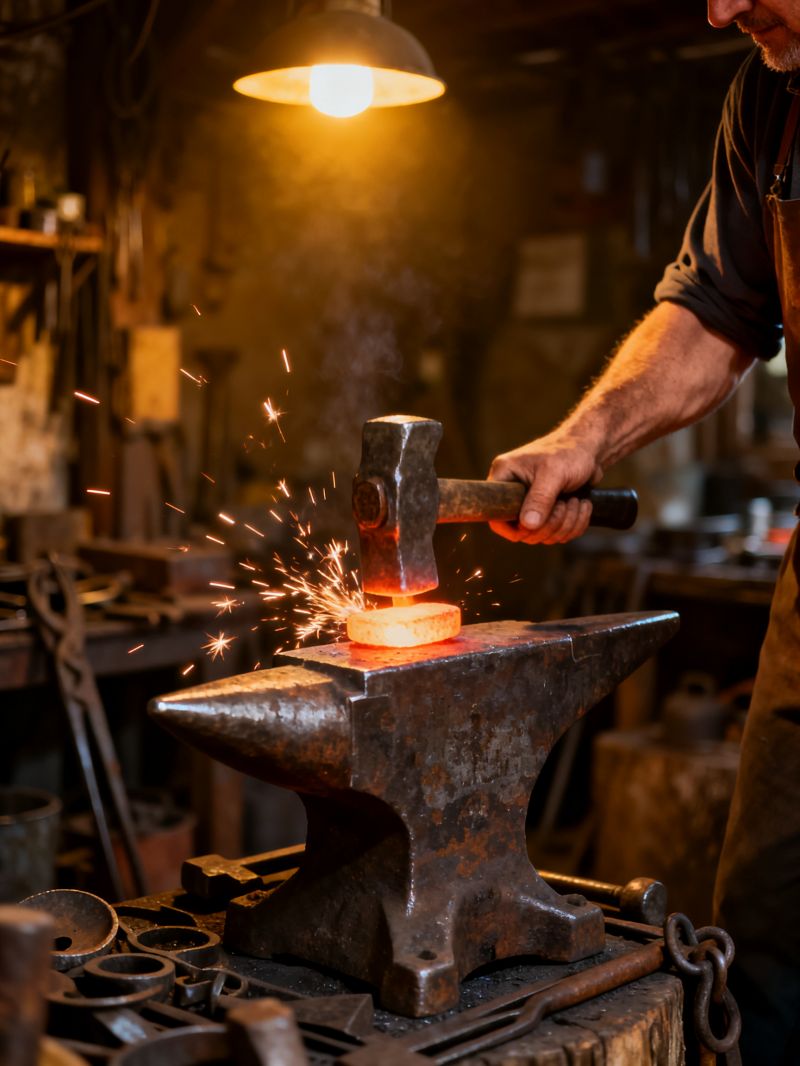
it's hammered out one piece at a time.But let's not romanticize everything. The Smitz workshop nearly closed in 2015 when a cheap import competitor undercut their hardware line by 60%. Dieter considered selling the building. Instead。he doubled down on restoration work for old half-timbered houses across Baden-Württemberg. That pivot saved them—barely. I saw a 19th-century window latch they reproduced from a single photograph. The client cried when she held it. You don't get that from a big-box store. Smitz isn't perfect;their lead times are brutal, and good luck getting a reply to an email within a week. But the craft is real. That counts for something.So what does the future hold?
Lena is experimenting with smaller, affordable pieces—bookends。coat hooks—to bring in younger customers without betraying the family style. She showed me a prototype: a bottle opener with a subtle Smitz stamp on the underside. Nothing flashy. Just honest iron. I bought one. It sits on my desk now。and every time I pick it up, I remember Dieter's steady hammer blows. Some things you can't scale, and Smitz knows that. They're not trying to be a global brand. They're trying to be the last workshop standing on their street. In a world of disposable everything, that's a quiet kind of rebellion—and it's worth paying attention to.